- Your cart is empty
- Continue Shopping


Where Does DMT Come From in Toads? Unlocking Nature’s Mystical Molecule
- Buy Research Chemicals Online
- Posted on
-
 by
admin
by
admin - 0 comments

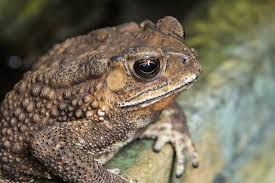
Have you ever wondered where the powerful psychedelic compound DMT (Dimethyltryptamine) comes from in toads? This naturally occurring molecule has fascinated scientists, psychonauts, and nature enthusiasts for decades due to its extraordinary ability to induce profound visions and altered states of consciousness. One of the most well-known natural sources of DMT is the Colorado River toad, also called the Sonoran Desert toad (Incilius alvarius). But how exactly does this tiny amphibian produce such a potent substance?
Read More: sv10 mushrooms
DMT in toads is primarily found in the parotoid glands, which are the large, bulging glands located behind the toad’s eyes. These glands secrete a milky substance as a natural defense mechanism against predators. Within this secretion, a potent mixture of chemicals exists, including 5-MeO-DMT, a close relative of the more widely known DMT molecule. While humans may be familiar with DMT from plants such as Ayahuasca, the toad’s secretion is unique in both its concentration and rapid, intense effects when vaporized.
The process of DMT production in toads is fascinating and rooted in biochemistry. Toads synthesize these compounds from tryptophan, an amino acid found in many foods, through a series of natural enzymatic reactions. This transformation results in 5-MeO-DMT, a molecule known for producing profound psychedelic experiences, sometimes described as transcendental or spiritual journeys. Unlike plant-derived DMT, which may require brewing or extraction, the toad’s glands naturally produce this powerful chemical in a ready-to-use form, highlighting nature’s remarkable efficiency and ingenuity.
Why People Are Fascinated by Toad DMT
Beyond its biochemical origins, DMT from toads has captured the imagination of researchers and spiritual seekers alike. Many report intense visions, feelings of interconnectedness, and deep personal insights when experiencing 5-MeO-DMT. This has led to a surge of interest in the toad as a natural psychedelic source, sparking conversations about consciousness, healing, and even the potential for therapeutic applications.
Sustainability and Ethical Considerations
It’s important to note that harvesting DMT from toads should be approached with extreme caution. The Sonoran Desert toad is a living creature, and its natural habitat must be respected. Many advocates emphasize ethical and sustainable practices, including synthetic alternatives that mimic 5-MeO-DMT without harming wildlife. Responsible sourcing ensures that the ecological balance remains intact while allowing people to explore the unique effects of this natural compound.
Unlock the Mysteries of Nature
Whether you’re a researcher, psychonaut, or simply curious about the natural world, understanding where DMT comes from in toads provides a fascinating glimpse into nature’s chemical ingenuity. From the parotoid glands to the mind-altering experiences it enables, this remarkable molecule connects science, spirituality, and curiosity in ways few natural compounds can.
